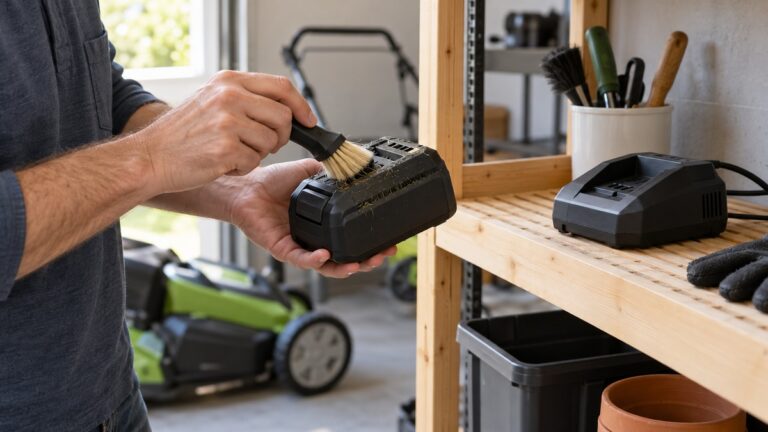
How to Recycle an Old Mower Battery
As an Amazon Associate we earn from qualifying purchases.
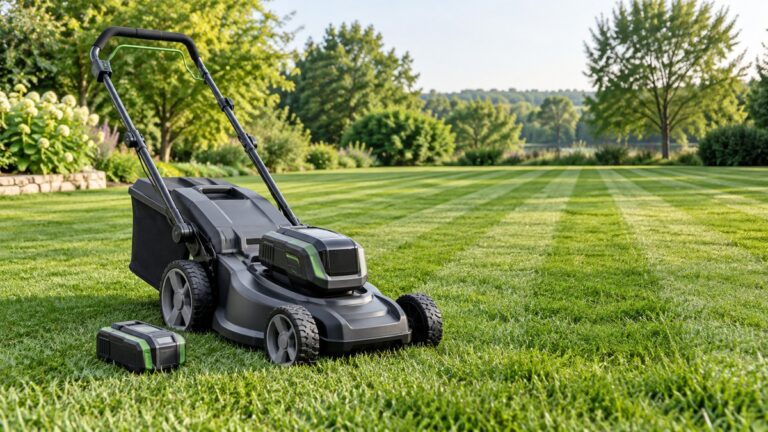
Knowing how to recycle old lawn mower battery packs keeps them out of household trash and curbside bins. Start by checking the label for the battery chemistry, because EPA gives chemistry-specific guidance for lithium-ion, lead-acid and nickel-cadmium batteries. The drop-off options named in the EPA pages include battery retailers with takeback service, household hazardous waste collections, and specialized battery recyclers. Call ahead, bag each battery and tape its terminals, and then drop it off. This guide does not cover repair or taking a battery apart.
Quick answer
- Check the label for the battery chemistry: lithium-ion, lead-acid, or nickel-cadmium.
- Keep every type out of household garbage and curbside recycling bins.
- Take the battery to a battery retailer with takeback service, a household hazardous waste collection, or a specialized battery recycler, and call ahead.
- Bag each battery and tape its terminals first. If the battery is swollen or damaged, contact the manufacturer or your local waste program for direction.
Identify the battery type first
EPA’s household battery page says that management requirements are based on the battery’s chemistry, and it tells you to look for labels that identify the chemistry. The label is the quickest way to sort a pack into the right drop-off route. The 12V or 6V lawn mower battery guide and the lawn and garden battery voltage post on this site cover voltage, which is a separate question from disposal. For disposal, the chemistry on the label decides which route applies.
Lithium-ion packs
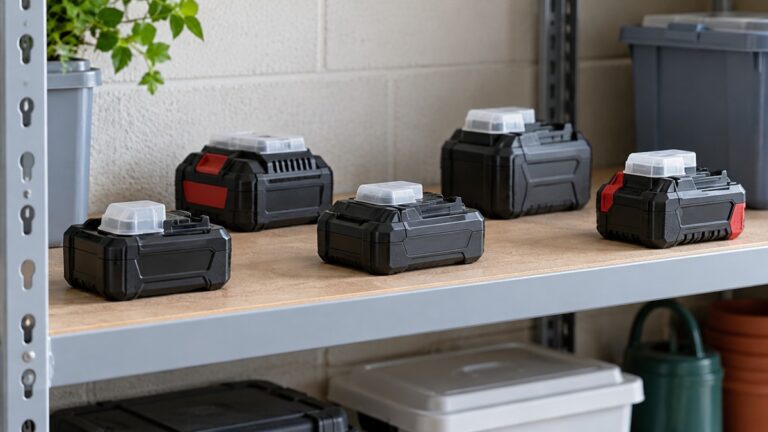
EPA says lithium-ion batteries, and devices that contain them, should not go into household garbage or recycling bins. The agency explains that these batteries can cause fires during transport and at landfills and recyclers. When a battery is easily separated from its product, EPA gives power tools as an example and tells you to find a recycling location near you. The same guidance says batteries in consumer tools or devices should go to household hazardous waste collection facilities or electronics recyclers.
Lead-acid batteries
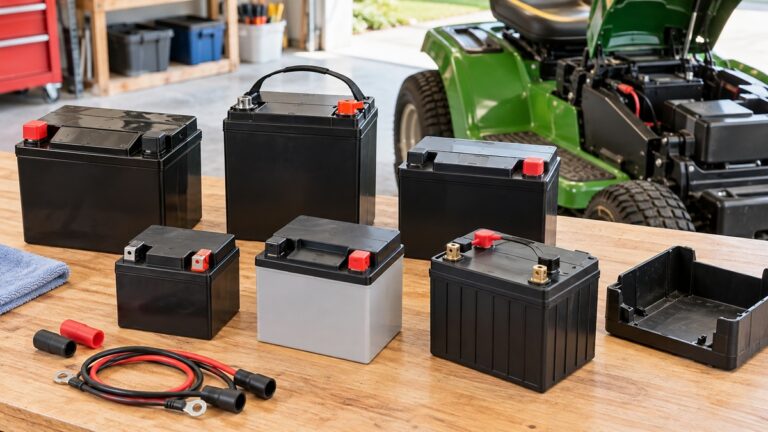
EPA describes lead-acid batteries as containing up to 18 pounds of lead and about one gallon of corrosive, lead-contaminated sulfuric acid. The agency notes they can be found in automobiles, boats, golf carts and other vehicles. The recommendation is to return them to a battery retailer or to a local household hazardous waste collection program, and not to put them in the trash or the municipal recycling bins. If you handle one, follow all of the warnings and instructions printed on the battery.
Nickel-cadmium packs
EPA says nickel-cadmium batteries are typically used in cordless power tools. Some of them may look like single-use alkaline batteries, or like a battery pack shaped for a specific tool, so check the label rather than the shape. A removable rechargeable pack can go to a specialized battery recycler, a participating retailer with takeback service, or a local household hazardous waste program. EPA also says rechargeable batteries should not go into the trash or the municipal recycling bins.
Where the battery can and cannot go
The table below sets the EPA routes next to each battery type and device type. None of the pages opened for this guide names lawn mowers, so the rows apply the general battery and device categories to a mower. Where a source does not cover a point, the table says “not stated.”
| Battery or device type | Drop-off route the sources give | Source |
|---|---|---|
| Removable lithium-ion pack | Specialized battery recyclers, a retailer with battery takeback service, or a local household hazardous waste program | EPA, Used Lithium-Ion Batteries; EPA, Used Household Batteries |
| Lead-acid battery | A battery retailer or a local household hazardous waste collection program | EPA, Used Household Batteries |
| Removable nickel-cadmium pack | Specialized battery recyclers, a participating retailer with takeback service, or a local household hazardous waste program | EPA, Used Household Batteries |
| Battery that is not removable from a device | The entire device to a certified electronics recycler, a retailer with electronics takeback service, or an electronics or household hazardous waste program | EPA, Used Household Batteries |
| Swollen or damaged battery | Contact the manufacturer, the retailer, or your state or local waste program for direction; store the battery in a safe place until a disposal option is identified | EPA, Frequent Questions on Lithium-Ion Batteries |
| Household trash or curbside recycling bin | Not an option for any type above | EPA, Used Lithium-Ion Batteries; EPA, Used Household Batteries |
| Whether a specific drop-off site accepts mower packs | Not stated in the sources; call the site first | University of Illinois Extension release |
Safety before you move a mower battery
Used batteries can still hold enough energy to injure you or start a fire, according to EPA. That is the main reason the handling steps below exist. Keep the battery away from other metal objects and away from flammable materials while it waits for drop-off. EPA notes that batteries which come in contact with each other or with other metals can cause fires, which is why it recommends taping the terminals.
Do not try to open the battery, the pack or the device to reach the cells. The sources opened for this guide cover handling, storage and drop-off, and they do not describe repair. EPA also notes that not all batteries are removable or serviceable by the user. If a battery is damaged, EPA says the handling information comes from the battery or device manufacturer. A sealed mower battery may therefore need to go out with the whole device.
How to prepare the battery for drop-off
- Read the label. Confirm the chemistry and whether the pack is removable. EPA advises heeding the battery and product markings regarding safety and use. If the battery is not removable, plan to take the whole device to a site that accepts devices with built-in batteries. EPA lists certified electronics recyclers, takeback retailers, and electronics or household hazardous waste programs for that case.
- Check for swelling or damage. A swollen battery indicates damage and is a potential fire hazard, according to EPA. If there appears to be no imminent threat of fire, contact the manufacturer, the retailer where you bought the product, or your state or local waste program for direction. Store the battery in a safe location until you know which disposal option applies.
- Cover the terminals. Put non-conductive tape over the battery’s terminals. EPA prefers electrical tape and says other adhesive tapes that are not metallic will work. The Illinois Extension release also lists clear packing tape and duct tape as options.
- Bag each battery separately. EPA’s handling precautions say to place each battery or device containing a battery in a separate plastic bag. The EPA lithium-ion page recommends doing both steps, tape and bag, when you can. Use one bag per battery so that no two batteries touch each other inside a bag.
- Keep it cool and dry. The Illinois Extension release says used batteries should be kept in a cool, dry place until they are recycled. Keep the bagged battery in that kind of spot until drop-off day.
- Call the drop-off site. The Illinois Extension release advises calling before drop-off to make sure the facility is ready for collection. Ask whether it accepts your battery chemistry, and whether it accepts a device with a built-in battery if that is what you have.
- Drop off at the right place. Use the route from the table. A removable pack goes to a battery retailer with takeback service, a household hazardous waste collection, or a specialized battery recycler. A lead-acid battery goes to a battery retailer or a household hazardous waste collection.
Why the trash and curbside bin are the wrong choice
A battery that ends up in household trash or a curbside bin can be damaged or crushed during transport or sorting, according to EPA, and that can create a fire hazard. Municipal recovery facilities are typically equipped to recycle only household paper, plastic, metal and glass, so a battery that reaches one can be damaged during processing. Keeping the battery out of the bin prevents that problem.
Local rules and drop-off options
Rules depend on where you live. EPA says household hazardous waste is regulated at the state and local level. It advises contacting your local environmental, health, or solid waste agency to learn about permanent or periodic collections near you. Where a community has no year-round site, it may hold scheduled collection days at a central location. If a community has neither a permanent site nor a collection day, EPA notes that some local businesses may accept certain products for recycling or disposal.
EPA’s household battery page also says that some states have battery recycling laws of their own. The University of Illinois Extension release describes one of them, the Portable and Medium-Format Battery Stewardship Act. According to the release, any retailer, municipality, business or community organization can sign up as a drop-off location and ship batteries for free. The same release says facilities vary in which battery types they accept. That example applies to Illinois only, so check your own state and county before you assume the same rules apply.
Finding a recycler
EPA names two resources for finding a recycler: the Earth 911 database and Call2Recycle. For household hazardous waste, EPA suggests searching the Earth 911 database for household hazardous waste by ZIP code. Your local solid waste agency can also tell you which collection days and sites serve you. If you are not sure whether a pack is finished or only not charging, the lawn mower battery not charging guide on this site covers that question, and it is worth reading before you decide to recycle the pack.
Mistakes to avoid
- Putting the battery in the curbside bin. EPA says a battery in a bin can be crushed or damaged during sorting and create a fire hazard.
- Skipping the tape and bags. EPA’s handling steps call for taped terminals or separate plastic bags, and the Illinois release names several tape types that work.
- Assuming every battery is handled the same way. EPA gives different routes for lithium-ion, lead-acid and nickel-cadmium batteries, so read the chemistry first.
- Driving to a site without calling. The Illinois release says to call before drop-off, because facilities vary in what they accept.
- Leaving a swollen battery near flammable materials. EPA advises storing a damaged battery in a safe place away from flammable materials until a disposal option is identified.
What we could not verify
- Whether any particular mower battery is removable or serviceable by the user. The sources give the general rule only.
- Which drop-off sites near you accept mower packs or devices with built-in batteries. The Illinois release says facilities vary, and we did not open a site list.
- Whether your county or state has rules stricter than the federal EPA pages. EPA notes that some states have battery recycling laws of their own.
- Whether a cordless mower pack and a lead-acid battery are handled the same way at every site. The sources describe categories, not individual mower models.
What the sources do not say
- No page opened for this guide names lawn mowers or lawn equipment.
- Apart from one Illinois statement that drop-off locations can ship batteries for free, none of the pages gives a cost for drop-off.
- No page sets a time limit for keeping a used battery before drop-off.
- No page says whether a mower with a built-in battery can go to an electronics recycler as a device. EPA describes that route for devices in general.
- No page gives a storage temperature range for a used battery beyond the cool, dry place wording in the Illinois release.
FAQ
Can I put an old mower battery in the trash?
No. EPA says lithium-ion batteries, and devices that contain them, should not go into household garbage or recycling bins. The same agency says lead-acid and rechargeable batteries should not go into the trash or the municipal recycling bins either. Take the battery to one of the drop-off routes described above.
Where can I take a cordless mower battery?
For a removable pack, EPA lists specialized battery recyclers, participating retailers that offer battery takeback service, and local household hazardous waste collection programs. Call the site first to confirm that it accepts your battery type, as the Illinois Extension release advises.
What should I do with a lead-acid battery?
Return it to a battery retailer or to a local household hazardous waste collection program. EPA describes lead-acid batteries as containing up to 18 pounds of lead and about one gallon of corrosive sulfuric acid, so do not leave one in the trash or the recycling bin. Follow the warnings printed on the battery when you handle it.
Do I need to tape the terminals before drop-off?
EPA recommends it. The agency advises non-conductive tape over the terminals, with electrical tape preferred, and a separate plastic bag for each battery. The EPA handling steps for lithium-ion packs call for both. The Illinois Extension release says clear packing tape or duct tape also covers the terminal ends.
What if the battery is swollen or damaged?
EPA says a swollen battery indicates damage and is a potential fire hazard. If there is no imminent threat of fire, contact the manufacturer, the retailer where you bought it, or your state waste management agency or local household hazardous waste program for direction. Keep the battery in a safe place away from flammable materials until you have an answer.
Do I have to take the whole mower to be recycled?
The sources do not say what any particular mower requires. They do say that when a battery cannot be removed, the entire device can go to a certified electronics recycler, a retailer with electronics takeback service, or an electronics or household hazardous waste program. Ask the drop-off site whether it will take the whole machine before you haul it there.
Bottom line
Call the drop-off site before you go, and if it will not take the battery, take it to a household hazardous waste collection instead of the trash or the curbside bin.
How we chose
We opened six pages on 2026-10-22: five from EPA and one from University of Illinois Extension. We limited the disposal steps to government and university pages, because those pages state drop-off routes by battery type. We did not use retailer pages, forum threads or community answers for disposal steps, and we did not treat search result summaries as evidence. Each sourced claim in this guide is tied to a quoted sentence on one of the six pages.
Sources
- U.S. EPA: Used Lithium-Ion Batteries (opened 2026-10-22)
- U.S. EPA: Used Household Batteries (opened 2026-10-22)
- U.S. EPA: The Importance of Sending Consumers’ Used Lithium-ion Batteries to Electronic Recyclers or Hazardous Waste Collection Facilities (opened 2026-10-22)
- U.S. EPA: Frequent Questions on Lithium-Ion Batteries (opened 2026-10-22)
- U.S. EPA: Household Hazardous Waste (HHW) (opened 2026-10-22)
- University of Illinois Extension: Know before you throw, new law expands free battery recycling options (opened 2026-10-22)